Civil Engineering (Diploma)
Civil Engineering diploma focuses on structural design, surveying, concrete technology and modern construction practices. This course covers fundamentals to advanced techniques for building safe and sustainable structures.
Core Topics
- Structural Analysis
- Concrete Technology
- Surveying and Measurement
- Building Materials & Construction Methods
- Water Resources & Environmental Engineering
Career Opportunities
Graduates can work as Civil Engineers, Site Supervisors, Project Managers or pursue higher studies in Civil Engineering or Construction Management.
About Labs
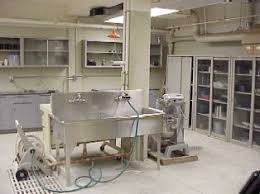
BUILDING MATERIALS AND CONSTRUCTIONS
A Building Materials and Construction Lab tests raw and manufactured materials like cement, aggregates, steel, concrete, and wood to ensure they meet strength, durability, and safety standards for construction projects, including buildings and infrastructure. Labs use various physical and chemical tests, specialized equipment, and standard procedures, often dictated by Indian Standard (IS) or other codes, to evaluate material properties and ensure compliance for quality control, sustainability, and structural integrity.
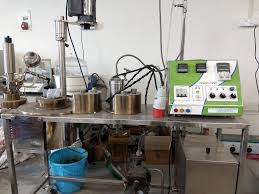
WATER SUPPLY AND WATER WASTE ENGINEERING
A Water and Wastewater Engineering Lab is a facility for analyzing water and wastewater to assess their physical, chemical, and biological characteristics, which helps determine their suitability for consumption, public health risks, and the effectiveness of treatment processes. Labs perform tests for parameters such as pH, turbidity, hardness, chlorides, dissolved oxygen, and BOD/COD to guide water supply and wastewater treatment.
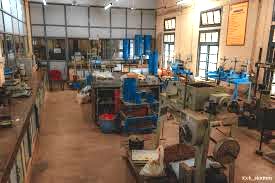
GEOTECHNICAL/SOIL MECHANICS LAB
A geotech lab in civil engineering studies soil and rock properties to assess subsurface conditions for foundation stability, earthwork design, and other infrastructure projects. It uses advanced equipment to determine soil density, strength, permeability, and plasticity, providing critical data for safe and stable engineering designs, including highways, dams, and buildings.
SURVEYING LAB
This lab provides hands-on training for topographical and land surveying. Students learn to use surveying instruments such as theodolites, total stations, prismatic compasses, and dumpy levels to carry out practical field work.